Muthuramakrishnan Viswanathan
I build at Google, teach on stage, and make music.
↔Slide the crossfader, or pick one
I go where the hard part is
Most hard problems sit between people: a partner and a product team, a standards body and an engineer, a customer and a deadline. I work in that gap. I can talk to each side in their own terms, then go back to my desk and build what makes it work, from the architecture down to the code.





It always starts with a hunch.
Intuition → Experiments → experience
Idea, then product, then platform, then program.
Nothing I know arrived by plan. It started as a hunch, then taking the back off something to see if the hunch held: a pocket radio at ten, a phone kernel at sixteen, a service mesh at twenty-two, a payment rail at twenty-six. The same thing happens with what I build, at a larger scale. An idea gets shipped as a product, the product grows into a platform, and the platform gets run as a program until it no longer needs me.
From autonomous agents, back to a pocket radio.
 2025 – now agents
Making it safe for agents to act.
Zero-trust infrastructure for autonomous operations agents: the kind that act on production systems. Verifiable consent chains, capability delegation and runtime guardrails, so that an agent's permission is checked at the moment it acts. Deterministic validation and isolated execution, so an operations agent can't hallucinate its way into production.
Research
Zero-Trust Cryptographic Consent Verification for Distributed Agentic Workflows
Agent actions bound to a person's biometric signature via OpenID4VP and ISO 18013-5: verifiable human delegation.
A Multi-Agent System for Automated E-Commerce Negotiation
A conductor agent and independent merchant agents negotiating prices over pub/sub.
gemma.cpp · Int8 KV cache
An Int8 KV cache with SIMD in Google's C++ inference engine: about 46% fewer CPU cycles during prefill.
Open source
Stack
Before agents, identity.
2022 – now digital identity
Proving one thing without revealing the rest.
I was part of the founding team for digital identity, and built the first credential infrastructure to ship in Google Wallet: hardware-bound mobile driver's licences across the US, and Aadhaar credentials in India, where I was primary architect. The presentation path is unlinkable: zero-knowledge selective disclosure, so neither the issuer nor a verifier can tell where else a credential has been used.
Tech Impact Award Google · 2024- 01Landed Google's first commercial verification partner, a leading peer-to-peer car marketplace
- 02Aligned protocols with the other mobile platforms and browser vendors, so a credential verifies anywhere
- 03Reference architectures adopted by national ministries across the EU, Japan, Australia, India and the US
Standards
NIST SP 1800-42A
Google's representative on the NCCoE working group for digital identity in financial services.
OpenID4VC-HAIP
Brought enterprise requirements into the High Assurance Interoperability Profile.
Open source
google/longfellow-zk
Google's zero-knowledge implementation behind credential selective disclosure.
openwallet/multipaz
Cross-platform SDK for mobile driver's licences and ISO 18013-5 mdoc.
Stack
Coverage
 Apr 2026
 Apr 2026
 Sep 2024
Before identity, payments.
2020 – 2022 payments
Half a billion people.
Transaction pipelines for Google Pay: nation-scale UPI rails, the Spot platform, Tap & Pay and bill payments. I was the founding tech lead for cross-border remittances between North America and APAC, and it went from zero to multi-million-dollar annual volume within two quarters of launch.
Stack
Coverage
 May 2021
 May 2021
I came to Google through an acquisition.
2016 – 2020 cloud
Moving the hard workloads, and rebuilding them.
Apigee became part of Google Cloud, and I became the architect in the room for more than fifty Fortune 500 companies. The biggest was a multinational private bank: I architected and closed its hybrid cloud move, the platform's first multi-million-dollar deal in the region, and rebuilt its ISO 8583 socket pipelines as microservices on an Istio service mesh.
- 01Built the remote diagnostics product that cut enterprise troubleshooting time by 25%
- 02National financial registries at tens of thousands of transactions a second, sub-second latency
- 03Wins across finance, retail, travel and tech startups, specialising in multi- and hybrid-cloud deals
- 04Integration blueprints and DX frameworks adopted across the APAC field, saving weeks per engagement
Stack
I'd joined Apigee a year before, at twenty-one.
2015 – 2016 API platforms
A whole product, end to end.
Shipping Apigee's API monitoring product end to end: remote-location monitoring, anomaly alerting, the reporting engine and a distributed load-testing engine. The synthetic monitoring workers I built went on to become part of Google Cloud's API platform.
Stack
Won, 2016
- Web Summit, open-source contributor competition
- Collision, open-source contributor competition
- Philips Hue Global IoT Hackathon, with Hueber
By then I'd already started a company of my own.
 2013 – 2015 SaaS
Starting my own company.
Cepheuen, as founder and CTO: two SaaS platforms, commerce and legal practice management, among other experiments, and advising early-stage founders across India, the US and Australia on their backends, APIs and data models.
Won
- Droidcon India 2013, Most Innovative App with Infophilia, judged by Adaptxt and Sony
- Apigee Global API Hackathon, 2013. Two years later, I worked there.
- IEEE Big Idea Challenge, 2014
- Invited mentor for advanced Android Wear development, Shaastra ’15, IIT Madras
Open source
siriscac/RippleView
Android touch-animation library bridging Holo to Material Design, adopted by applications worldwide.
siriscac/ProgressPageIndicator
An Android navigation component for multi-step flows.
Stack
Coverage
Before companies, there were phones.
Android, on a phone not built for it.
Senior modder and global moderator at DarkForest Group, one of the leading forums for Symbian, S60 and S40 phone development. I authored the headphone-bypass FM radio patch, and led the effort to port the Android kernel to the Samsung s5620, in C and assembly.
Stack
And before phones, one radio.
A pocket radio, with the back off.
I took apart pocket radios and wristwatches, then built pick-and-place robots to sort objects. A hunch about how something worked, and a screwdriver to find out if the hunch held.
Cross over to
Passing it on.
Most of what I know started with someone taking the time to explain it to me. So I try to do the same: with the teams I lead, on conference stages, in classrooms, and on a phone forum long before any of that.
 Cloud Summit
GDG DevFest
Google I/O Extended
IIT Madras
Gartner IT Symposium
Growing the people around me.
Today, leading solutions architects and partner engineers across the US, Europe, Japan and India, and growing the people on those teams. Earlier, in Google Cloud, coaching the regional solutions engineers across India and ASEAN: the integration blueprints and developer-experience frameworks I wrote for them were adopted across the whole APAC field.
- Top Facilitator for Google's Applied CS with Android, 2016
Some of it happens in front of a room.
Explaining hard things to big rooms.
Keynotes and talks from Seoul to the SF Bay Area, most recently Road to Transformers at GDG DevFest 2025, to more than 2,000 people.
On stage
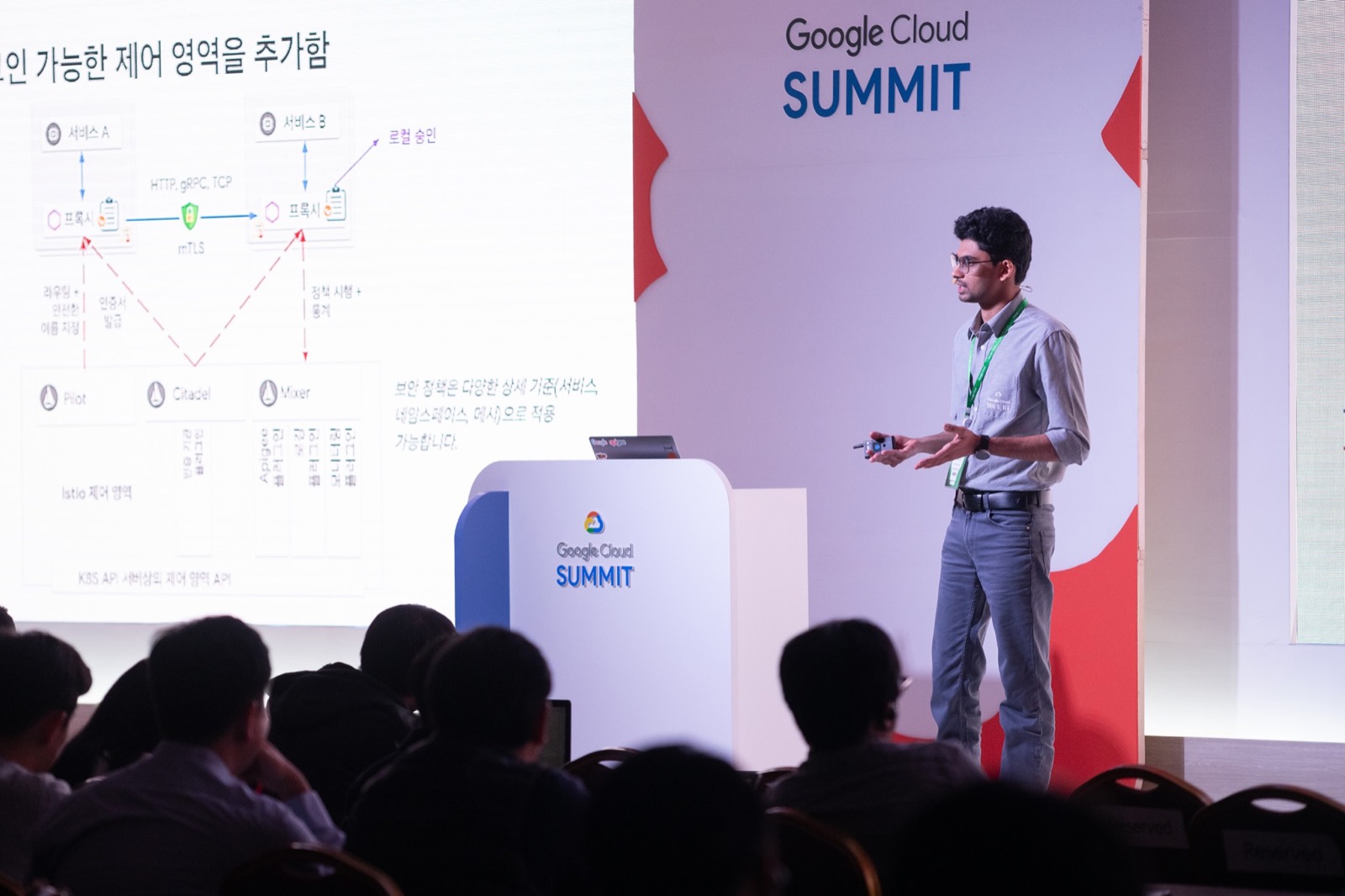
APIs, microservices and service mesh
Cloud Summit Seoul · 2019 · 3,000 people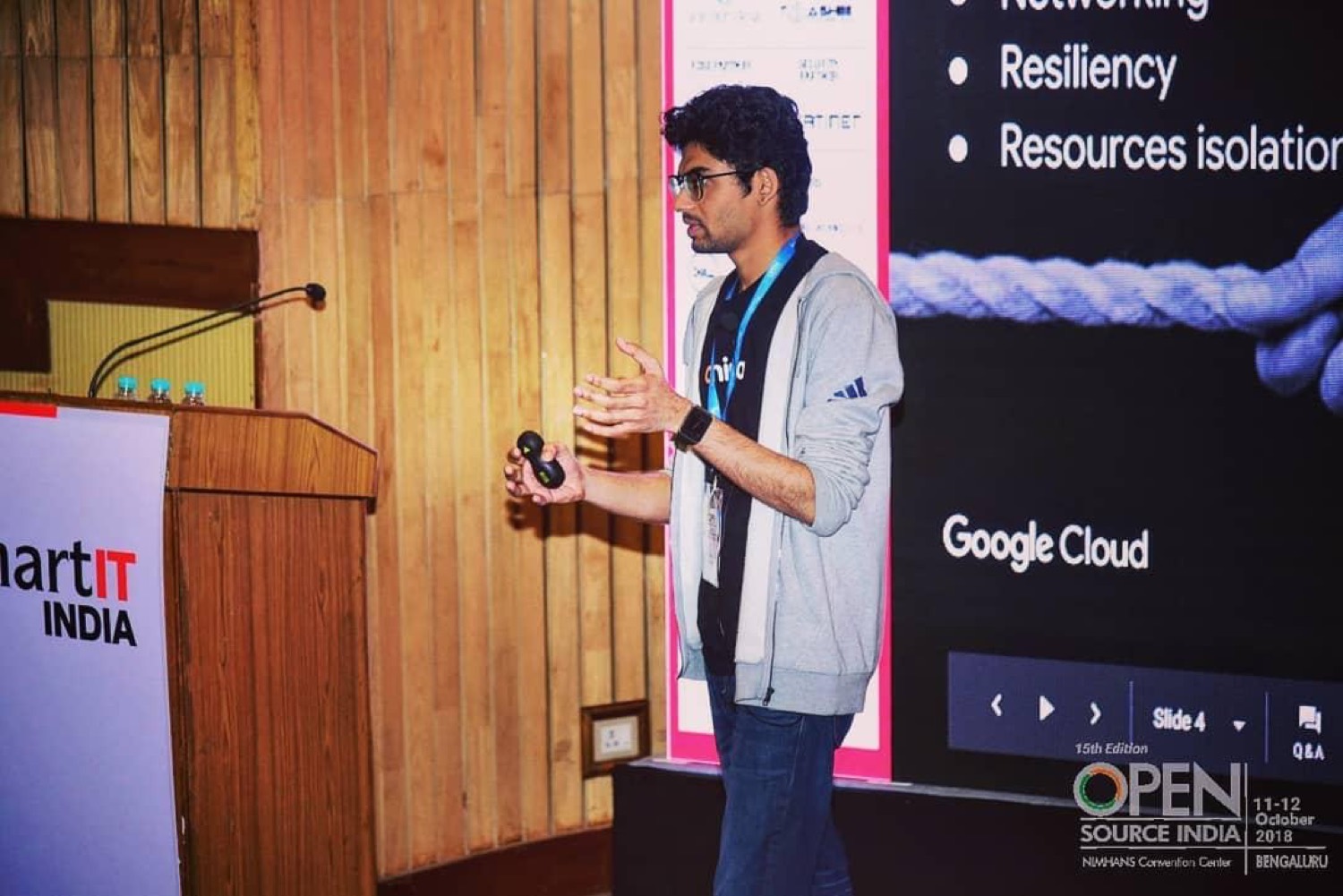
Microservices in production
Open Source India · 2018 · 1,800+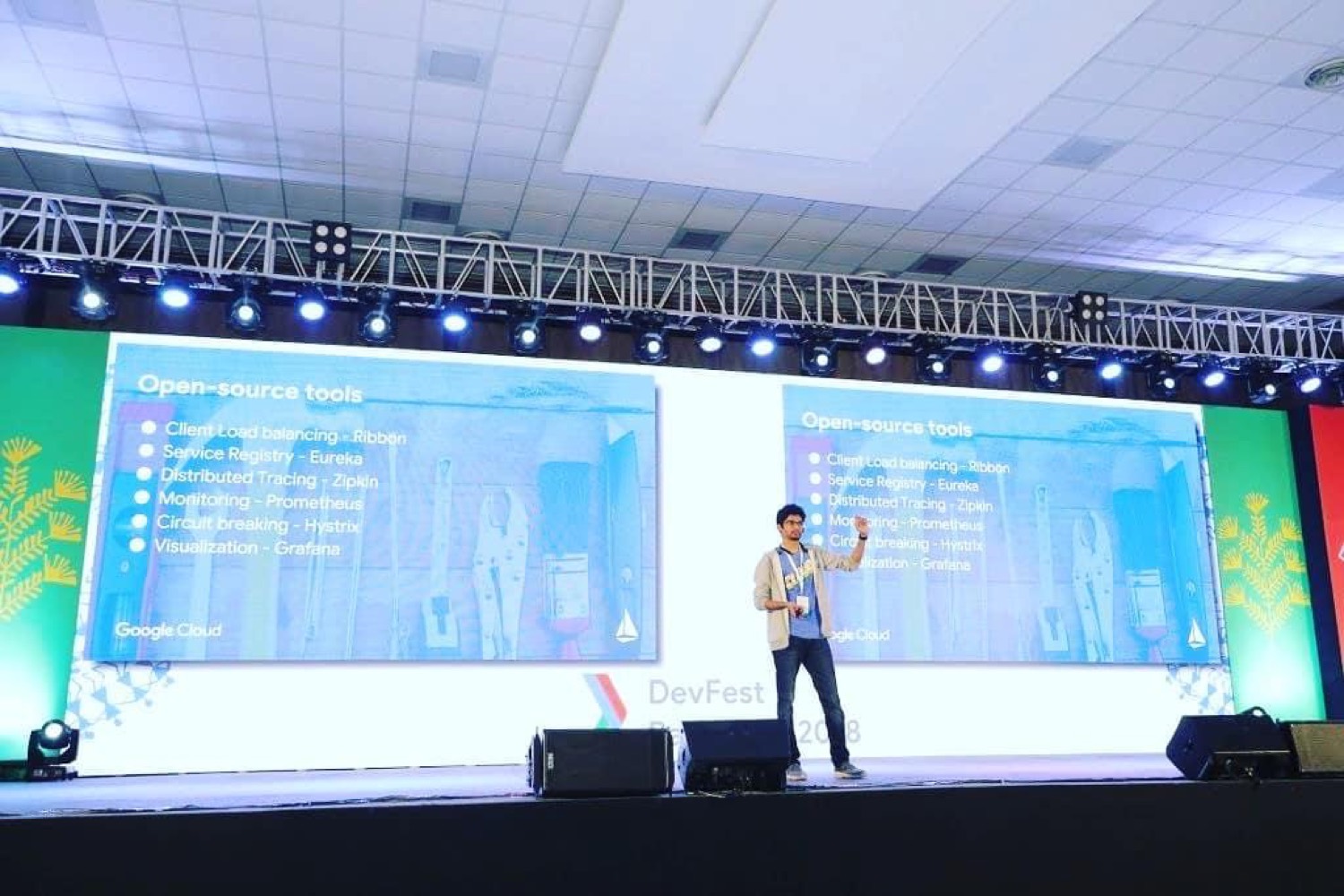
The open-source resilience toolkit
GDG DevFest Bengaluru · 2018- Road to Transformers, GDG DevFest 2025
- Enterprise Hybrid Cloud Modernization, Gartner IT Symposium, Goa
- Introduction to Service Mesh and Firebase for Developers, Google I/O Extended and DevFest
+10more talks, across the SF Bay Area, Chennai and Bengaluru.
Before the stages, classrooms.
Teaching while still a student.
Technical lead of the Google Students Club and super mentor at GDG Chennai. Then an invitation to IIT Madras, to mentor developers on advanced Android Wear at Shaastra ’15.
- Invited mentor, Shaastra ’15, IIT Madras
- Super mentor, GDG Chennai
- Technical lead, Google Students Club
And before any of that, a forum.
My first students were strangers.
Global moderator of the main boards at DarkForest Group, one of the biggest Symbian forums. Answering other people's questions about phones I'd taken apart, and writing patches, like the headphone-bypass FM radio, that thousands of them installed.
Cross over to
After hours.
Three names, all still running: long club mixes built for the floor, original productions on a modular rig, and Tamil film music re-worked for the dance floor.
The Tranceform.
Founder and resident selector of The Tranceform, a continuous-mix series of 44 uploads past 1.5 million plays. These eight sets are mine: 610,000+ plays across trance, tech house, techno and deep house, an hour to two hours each.
Sets
 592K
Best of Tinlicker
Tranceform 12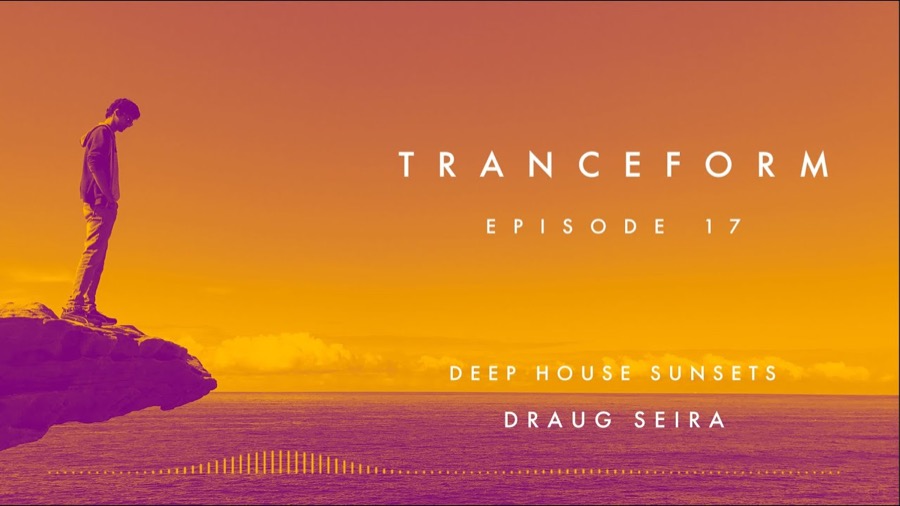 7.8K
Deep House Sunsets
Tranceform 17 4.2K
Tech House Mix
Tranceform 7 4.0K
Anjunabeats Classics
Tranceform 5 3.5K
Progressive House Mix
Tranceform 8 1.9K
Techno Mix
Tranceform 16 1.7K
Anjunabeats 20 Years
Tranceform 23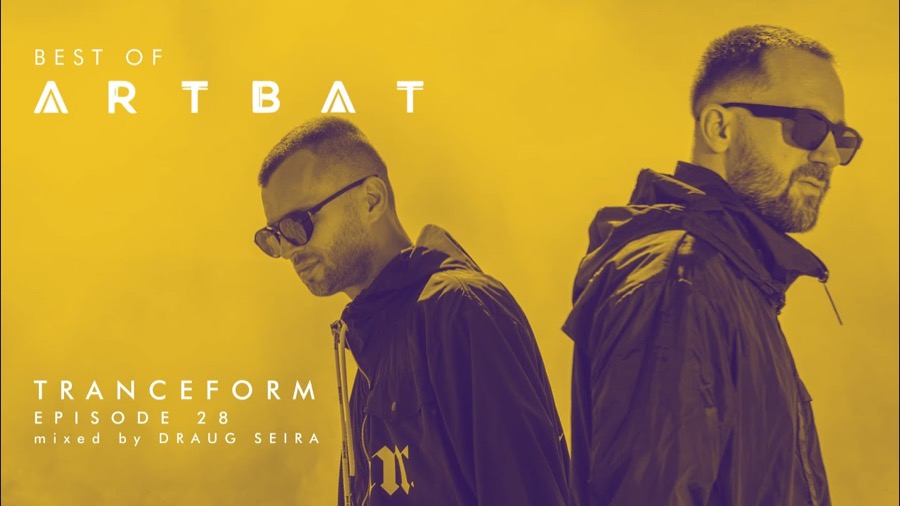 995
Best of ARTBAT
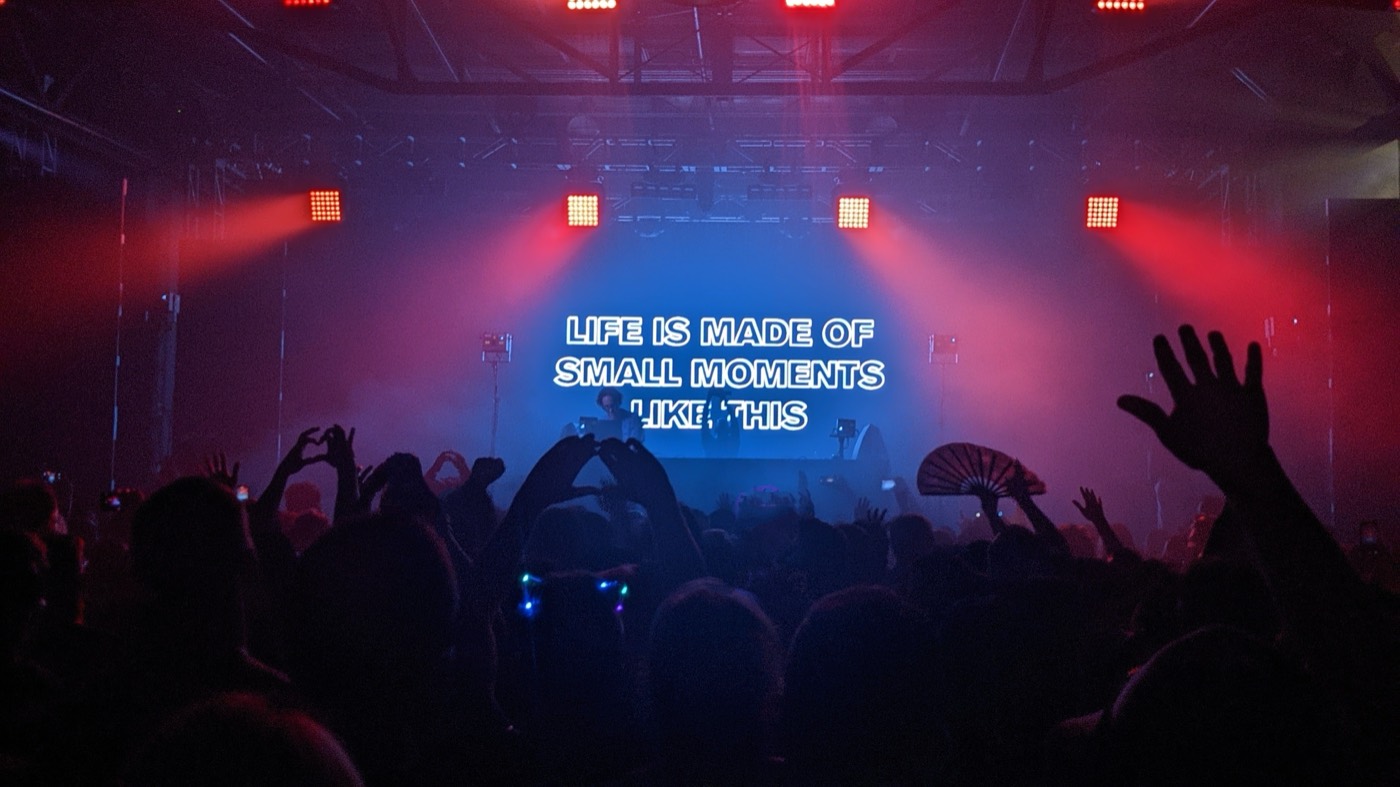
Tranceform 28The mixes are built for rooms like these.
Reading the floor.
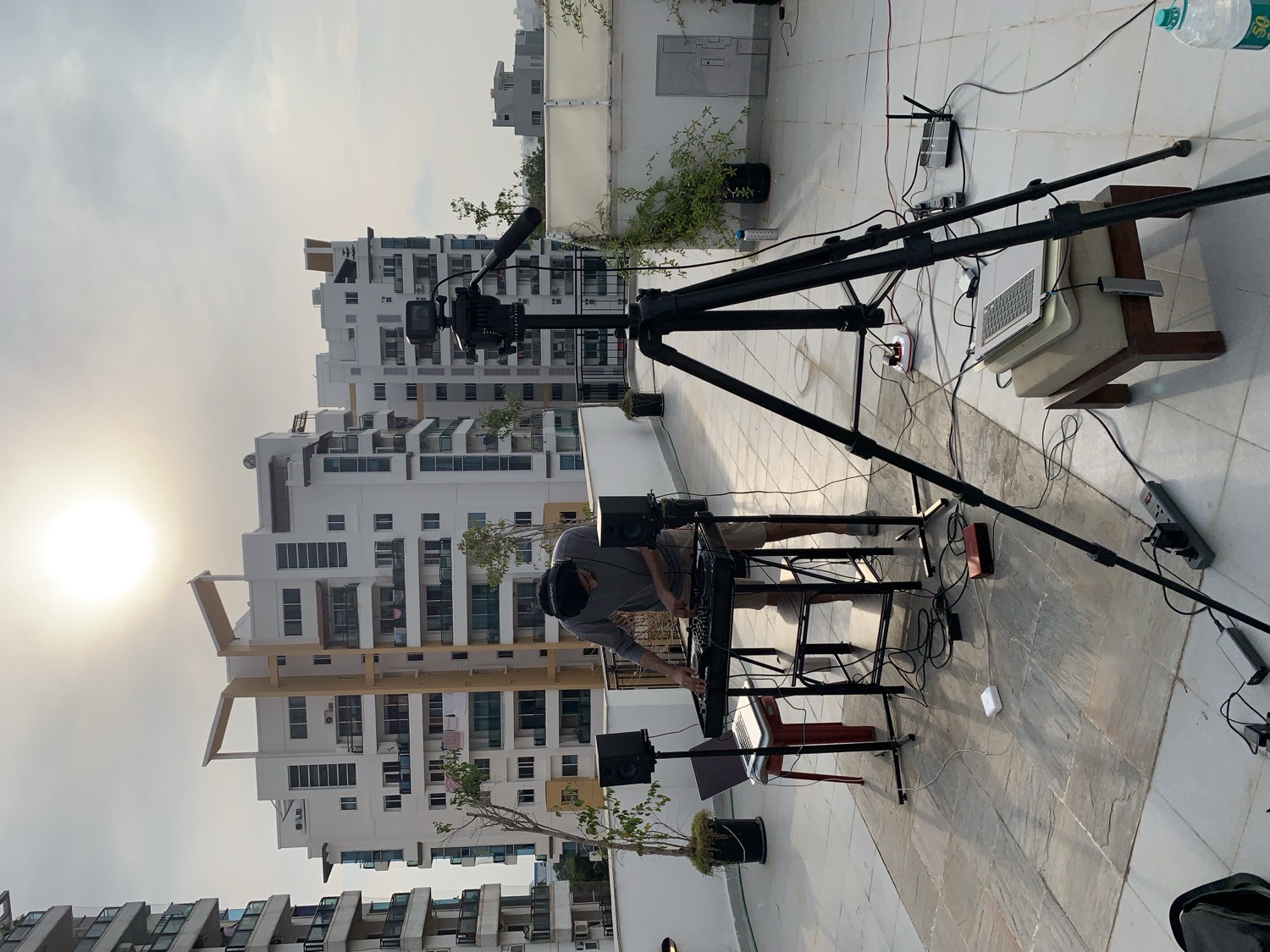
San Francisco, New Delhi, and Bengaluru, where the first one was, in 2017.
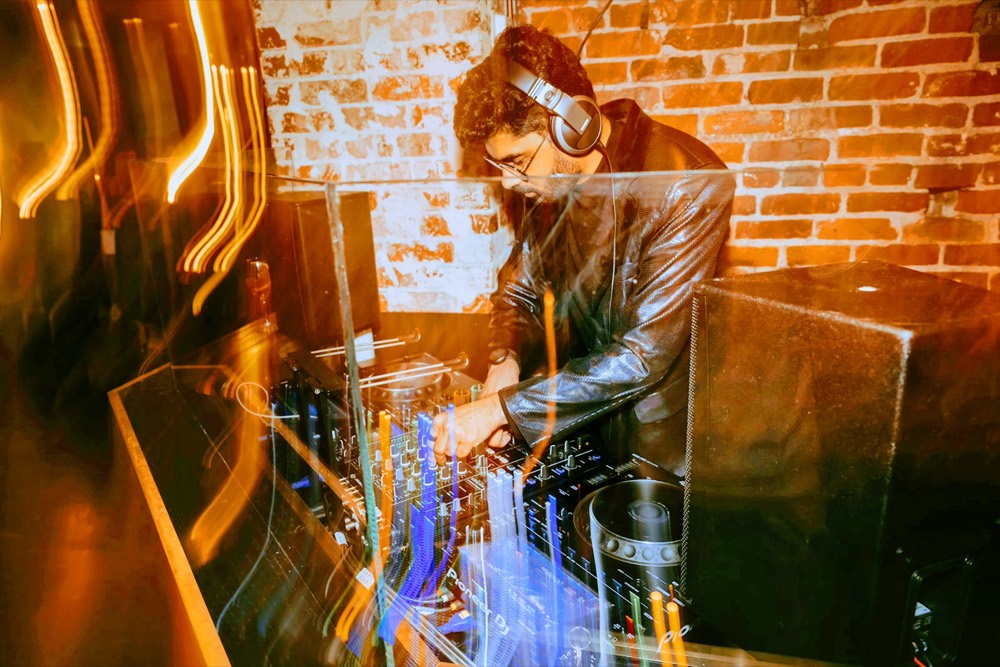
Hawthorn
San Francisco · Mar 2025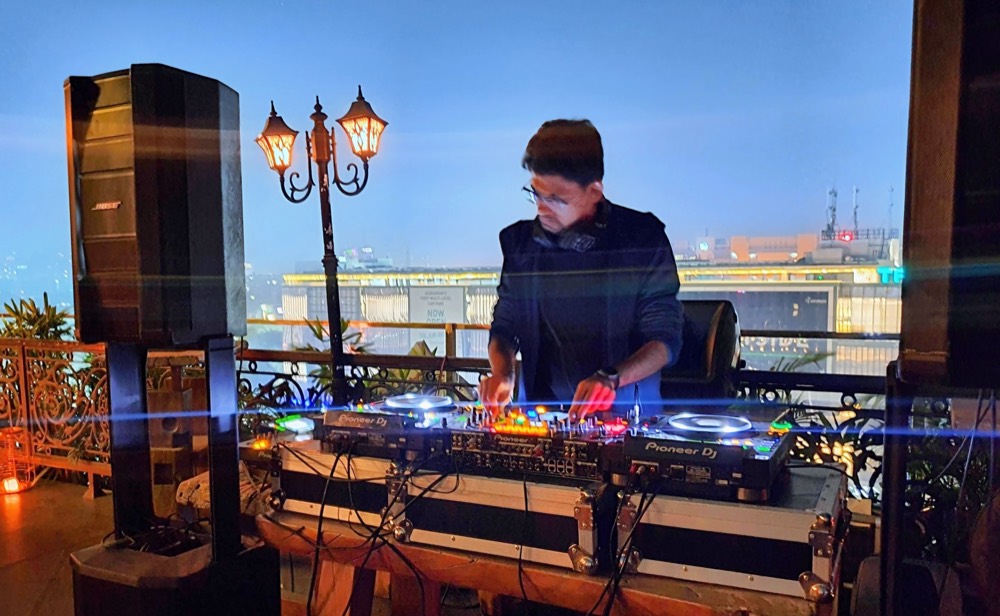
Dramz
New Delhi · Nov 2019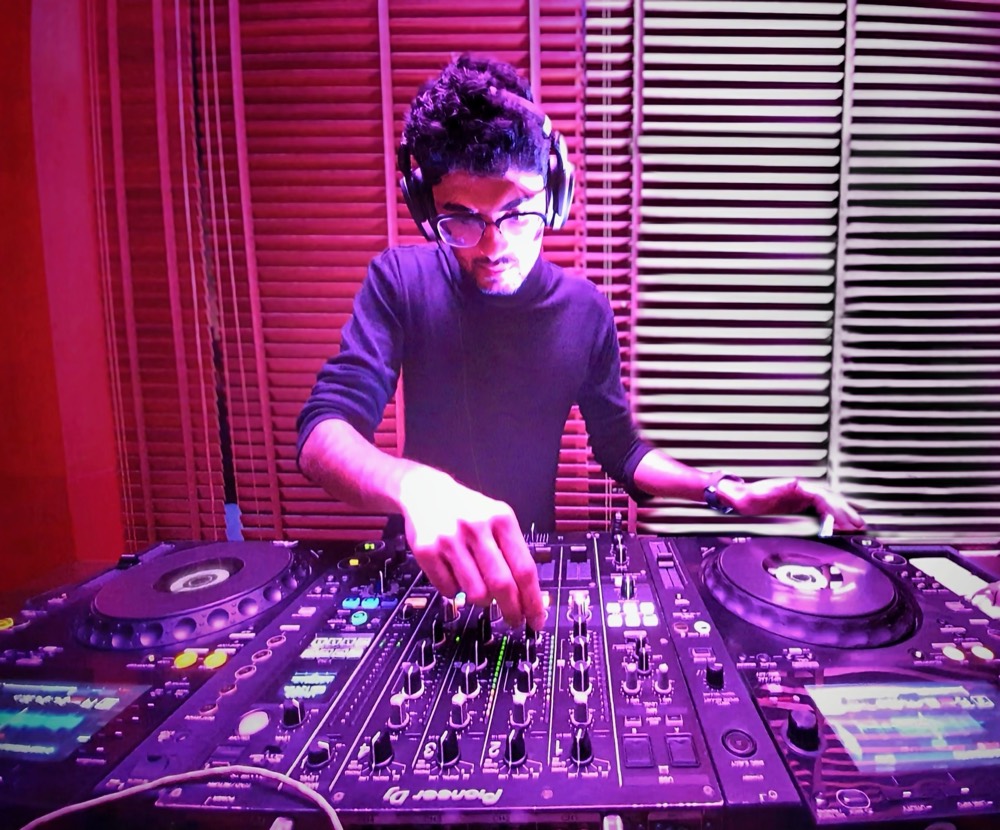
D Lounge
New Delhi · Sep 2019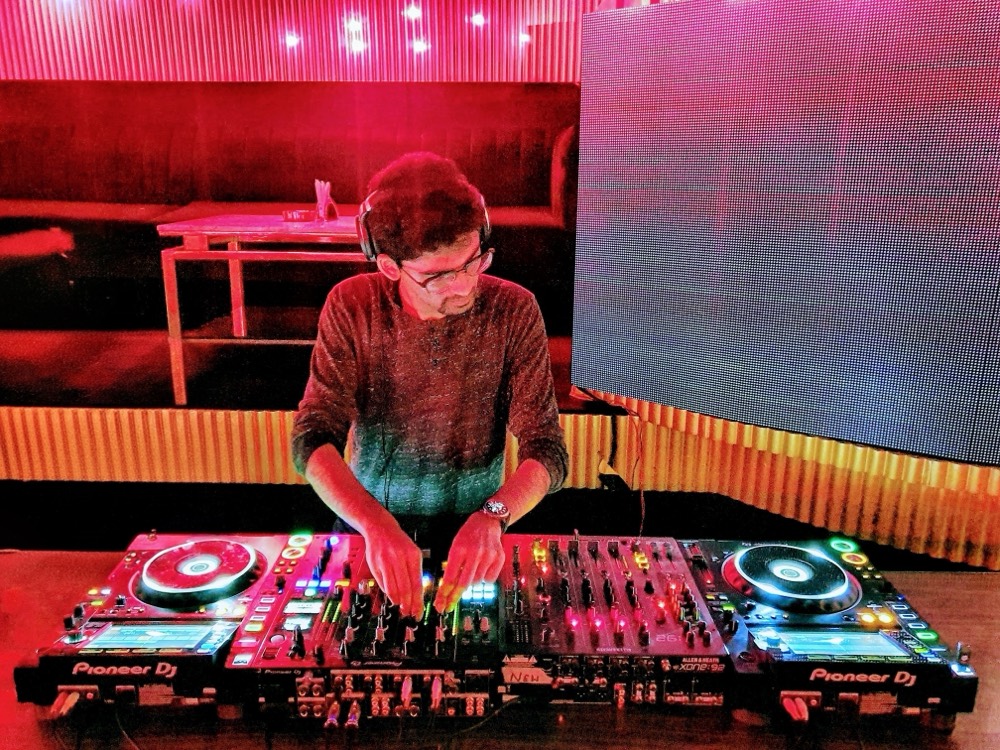
Key Night Club
New Delhi · Sep 2019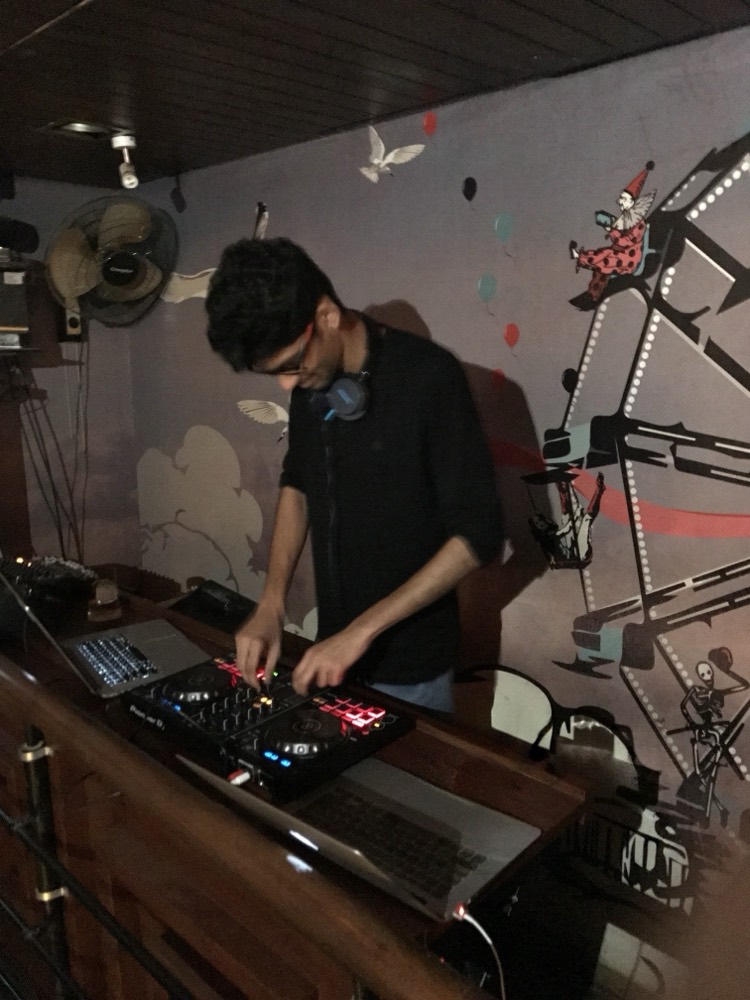
Easy Tiger · the first one
Bengaluru · 2017Between sets, I write my own.
Writing my own.
Original productions on a modular rig, as Hetrodyne. Pacific Dream is out on Spotify; a new album is in progress.
Listen
And sometimes I take someone else's song and rebuild it.
Kollywood, re-imagined.
Tamil film music re-worked into contemporary electronic sub-genres: melodic techno, vaporwave, minimal techno, chillstep and chillwave.
Remixes
 279K
Malare Mounama
Chillwave remix 23K
Nenjinile
Melodic techno remix 6.2K
Thuli Thuli
Vaporwave remix 2.5K
Satham Illadha
Minimal techno remix 16K
Yakkai Thiri
Chillstep remixCross over to
Say hello.
Open to research, systems work, and sound.
SF Bay AreaPermanent US work authorisation
Along the way